Used Software: Rhino 3D, Maxwell Render, AutoCAD, Illustrator, Photoshop, Indesign
This project was a part of the Sustainable Architecture studio at Technische Universiteit Eindhoven, where the main objective was to find an answer to what is sustainable architecture. This question was too generic to answer so I focused on aesthetics, the design process, and changing the role of architects. Search for questions started by researching case studies of contemporary so-called sustainable architecture throughout Europe, which resulted in finding that majority of buildings lacked identity. No matter their function or location, all buildings had similar or the same facade patterns, materials, or shapes.
The question of sustainable architecture from the architectural and aesthetic point of view is not only about fittingness, which is often taken as the most important factor during designing and also often results in copying the traditional buildings. That is not, in my opinion, the right approach. Whereas in the 1960s and 1970s, the main focus was not on aesthetics but on changing people’s ways of living, nowadays we focus more on accommodating our unsustainable needs through designing more self-sufficient and ecological buildings. Personally, the answer to the question of sustainable architecture lies somewhere between changing the lifestyle of people by designing houses in a different way, that is e.g. innovative organization of the program in houses that direct and maintain the needs of inhabitants or users, and the use of technology to lessen the impact on the environment.
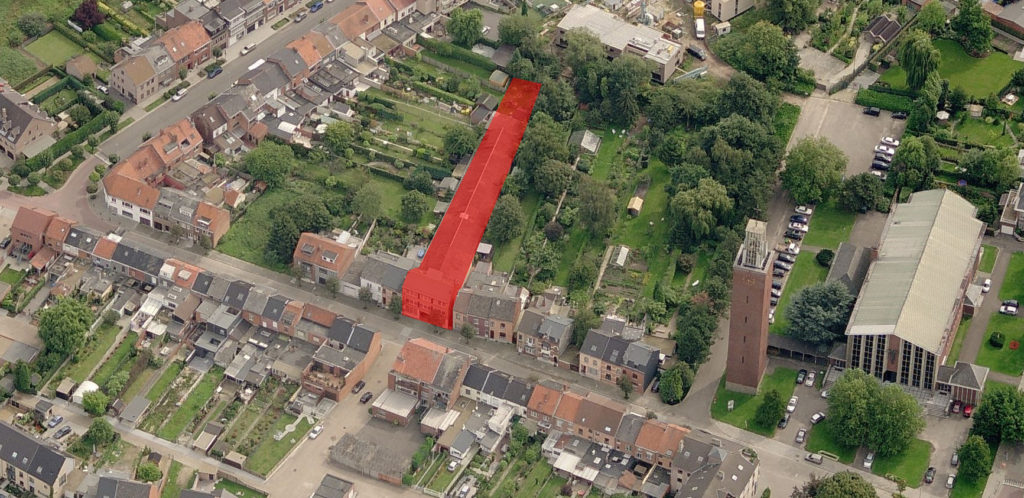
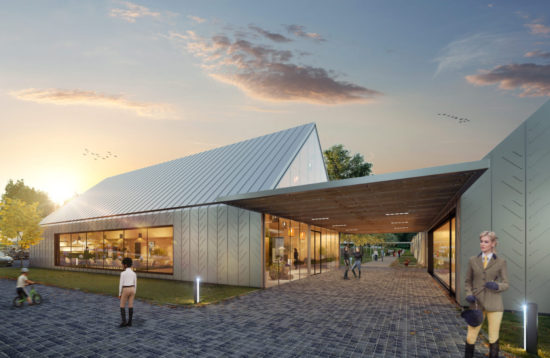
The second part of the assignment was to pick a house to replace in Hasselt, Belgium with a sustainable architecture based on the research. I picked an office building with sheltered parking only for the use of the office building personnel. The office building is located on a hundred meters long plot in the middle of a residential area in the north-western part of Hasselt.

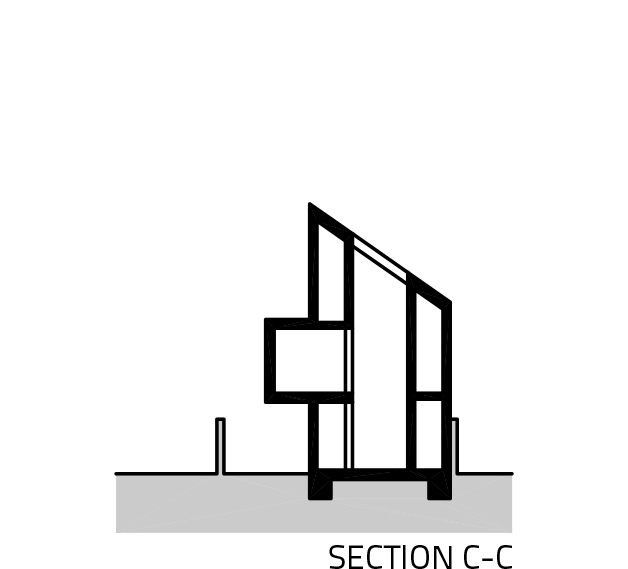
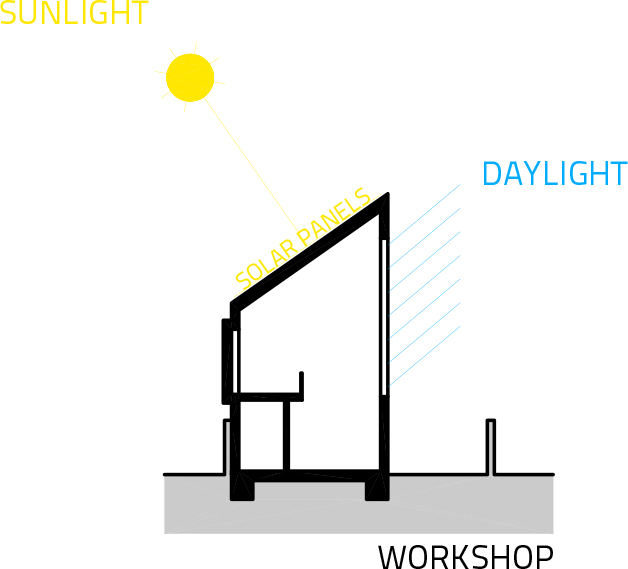
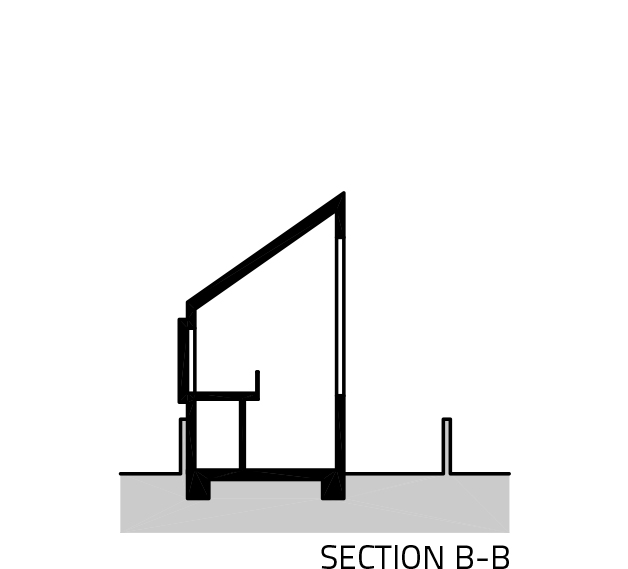
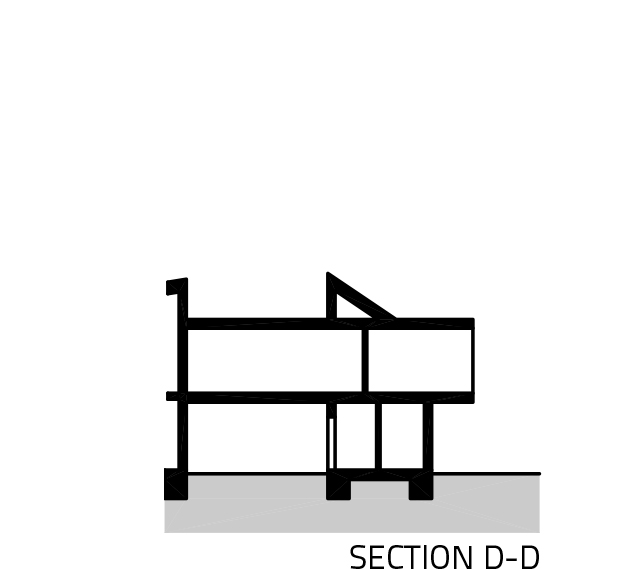
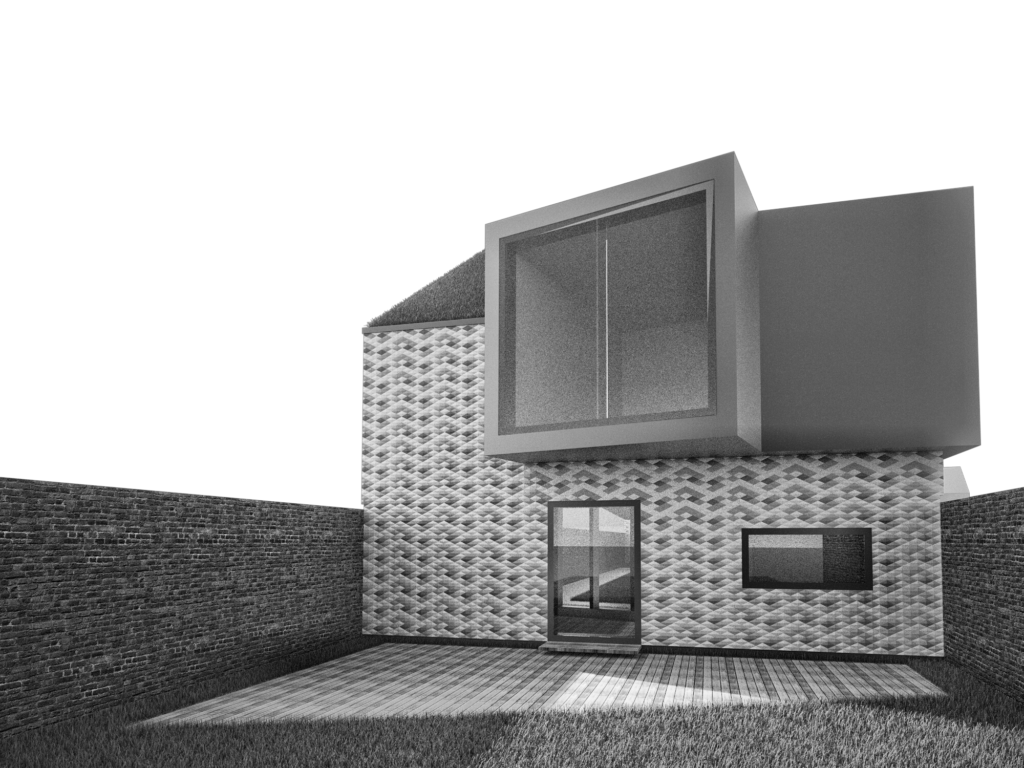
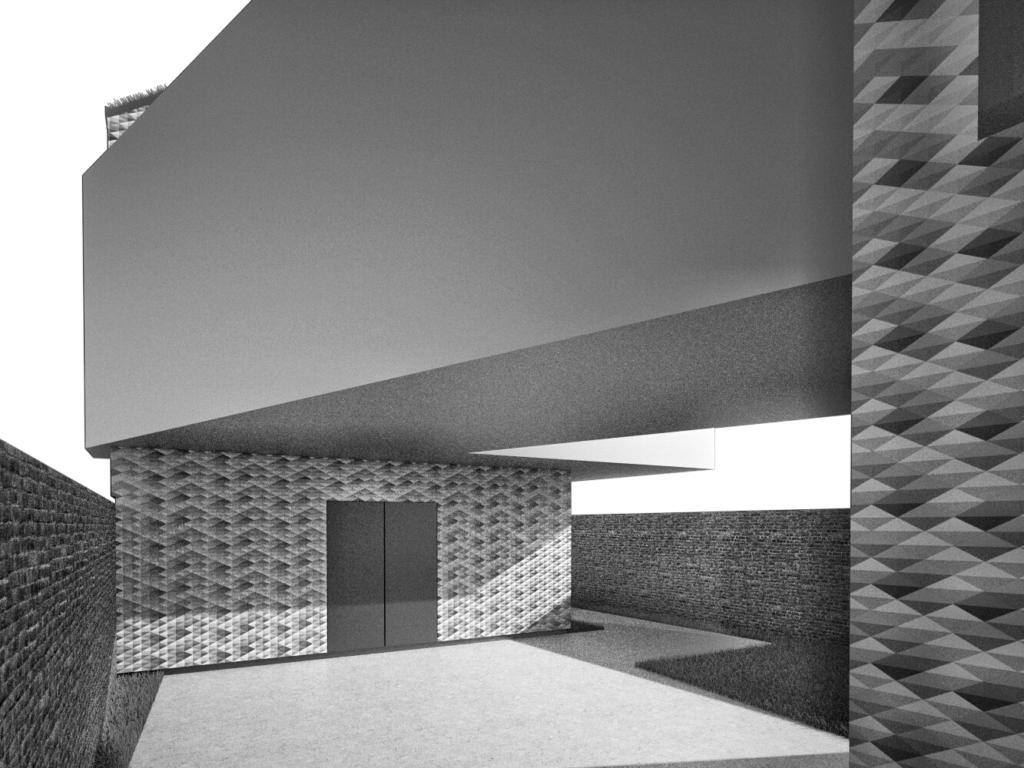
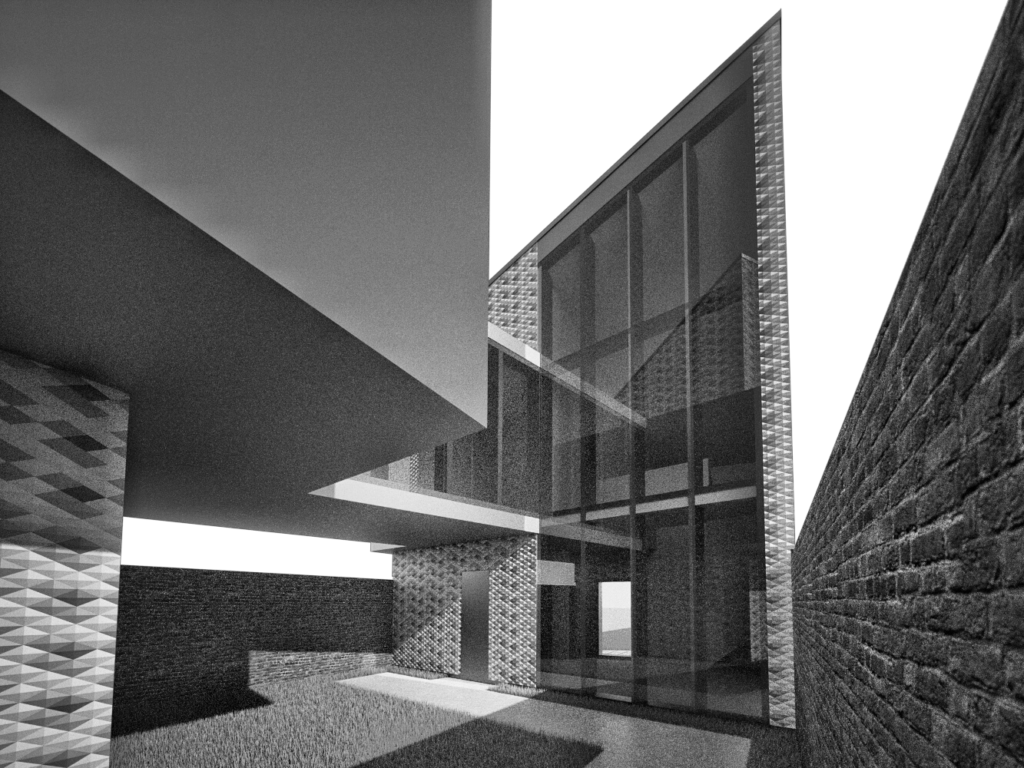
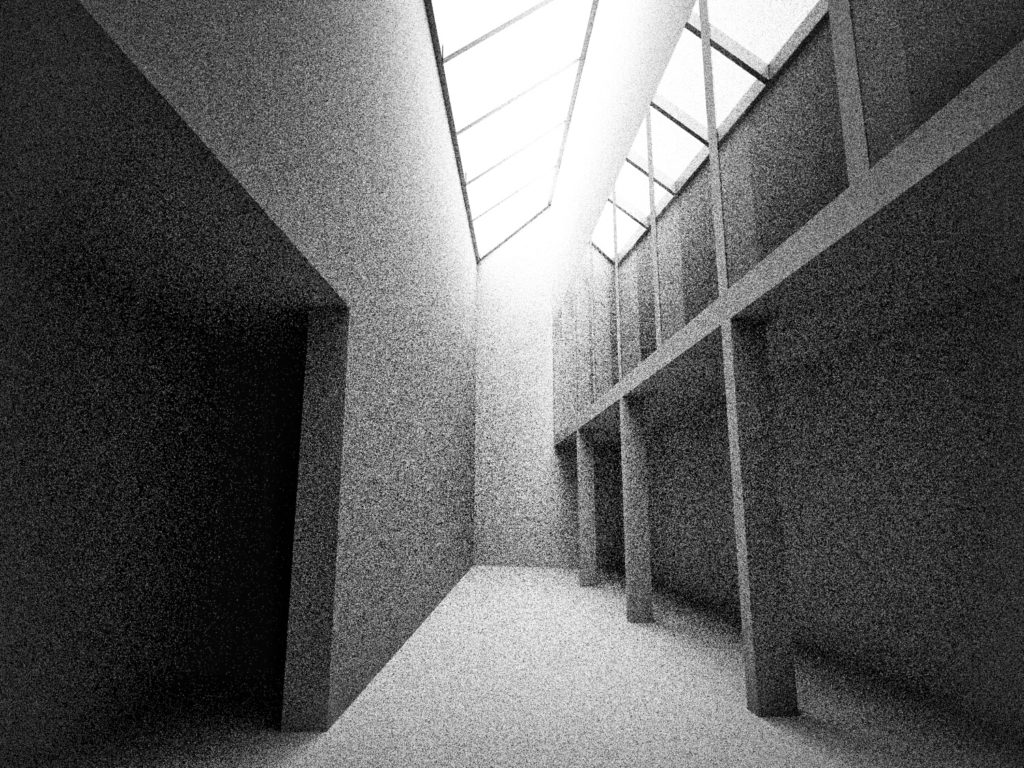
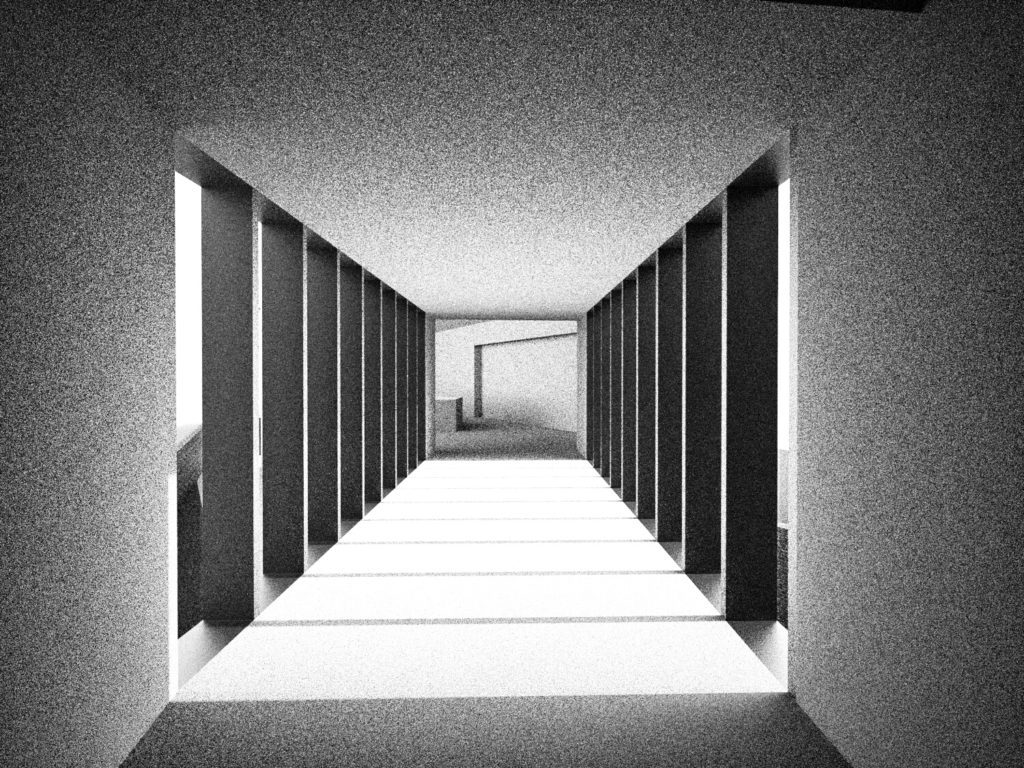
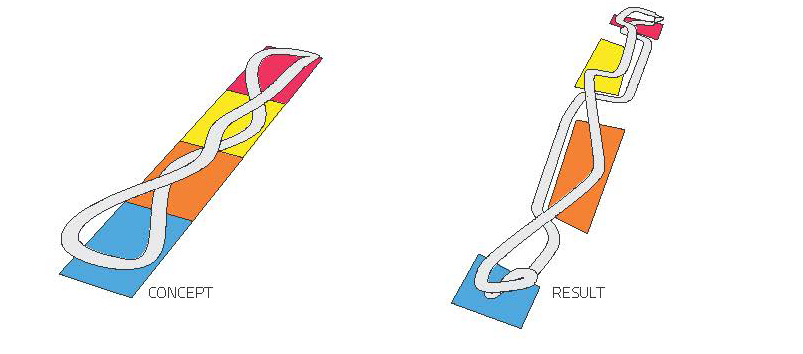
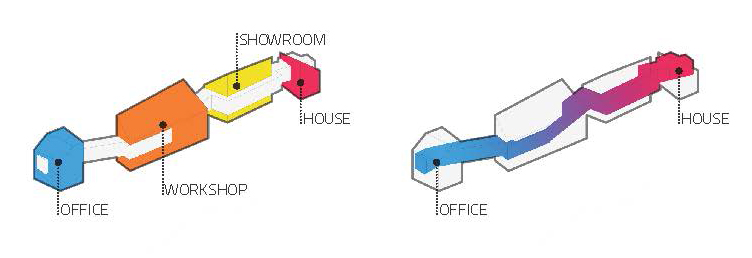
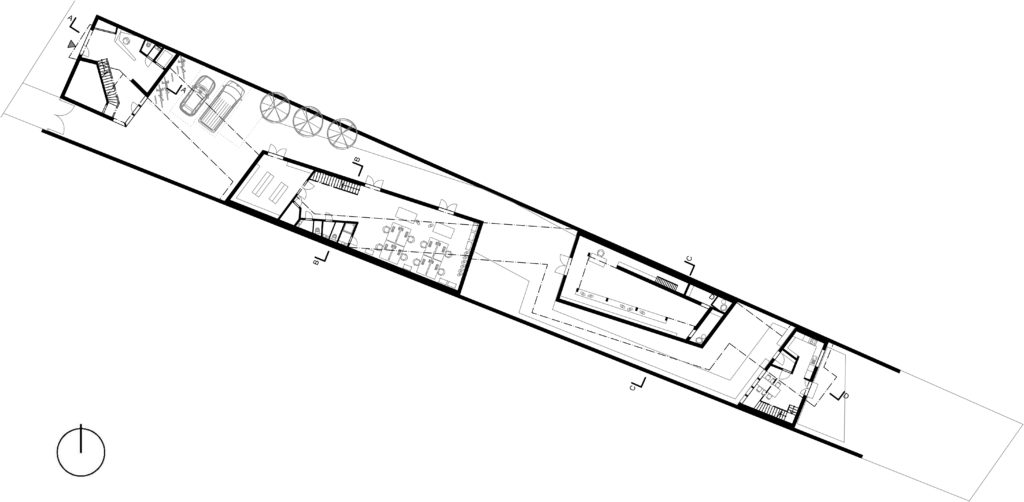
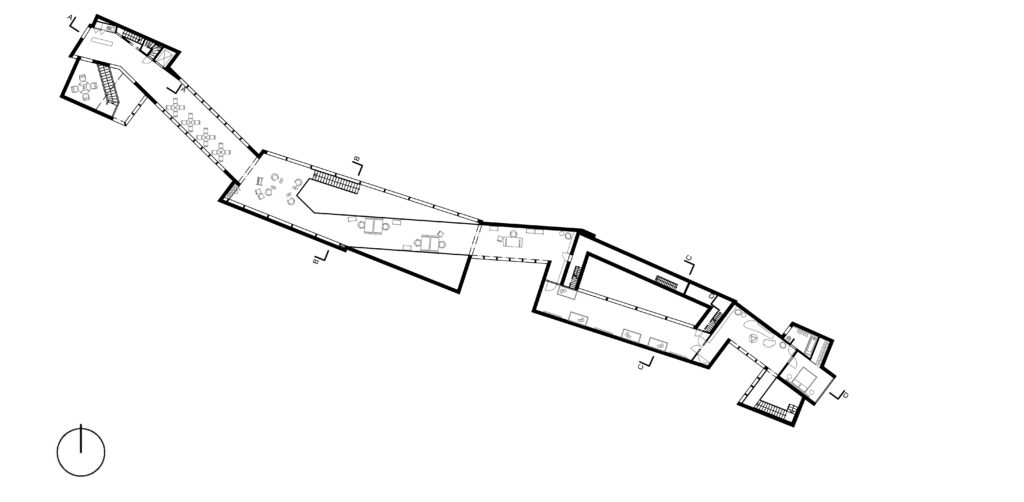
As a result, I decided to design an alternative to the local with stress on experience from the built environment and an innovative program distribution inspired by the skyscraper 21 – a Bata factory with an office in an elevator to have total supervision over the production. The whole assembly houses four separate functions: office, workshop, showroom, and house that is connected by a bridge that is going through all of the functions. The bridge allows the owner to walk from the house to each of the functions and supervise the processes in all of them without going out. At the same time, all of the functions are accessible from the exterior. This combined with the bridge gives numerous possibilities to get from point A to point B and back without the necessity of going through the same point twice. From the perspective of visitors or clients, this creates the experience from walking through and every time it can have a different scenario.

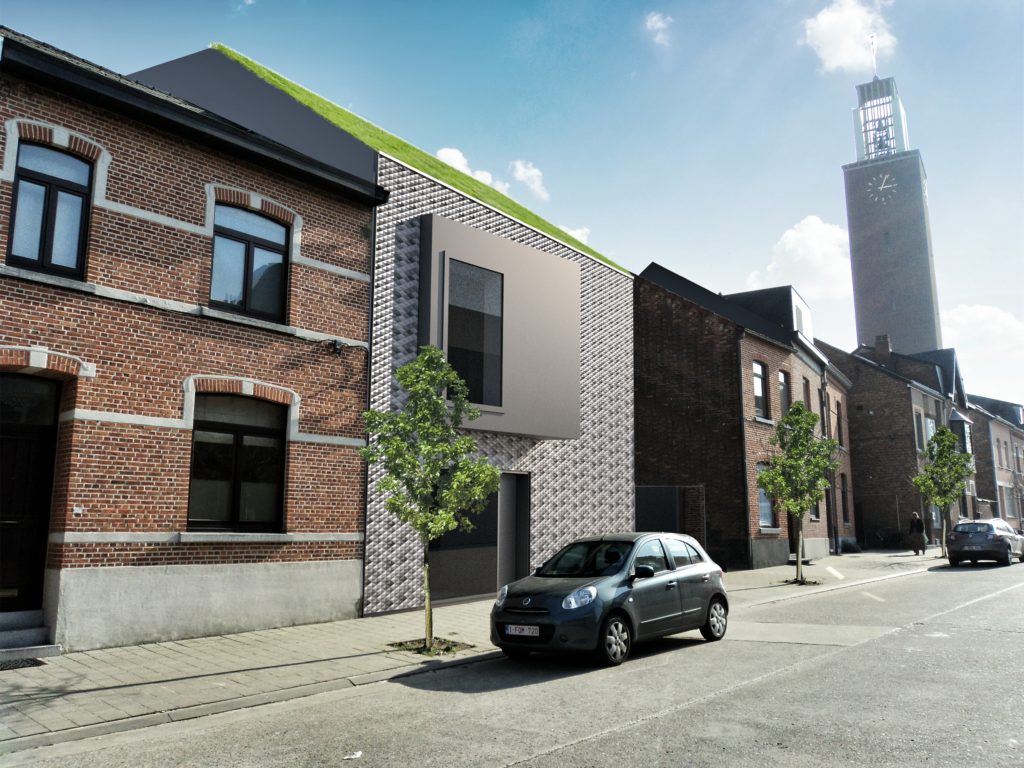
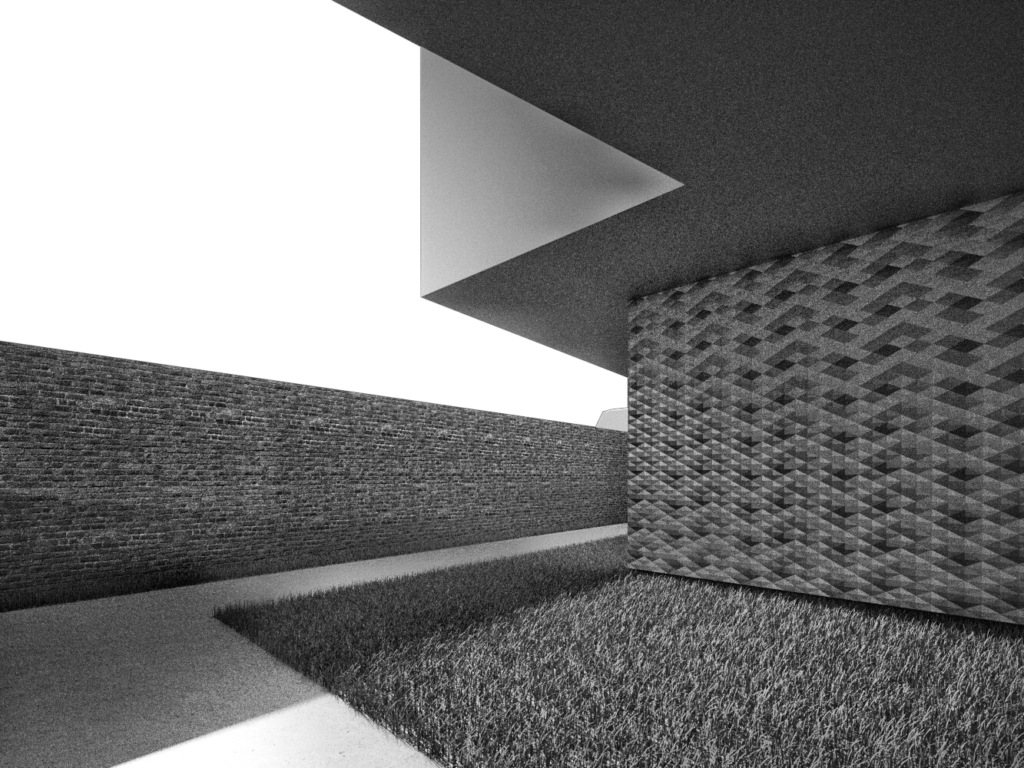
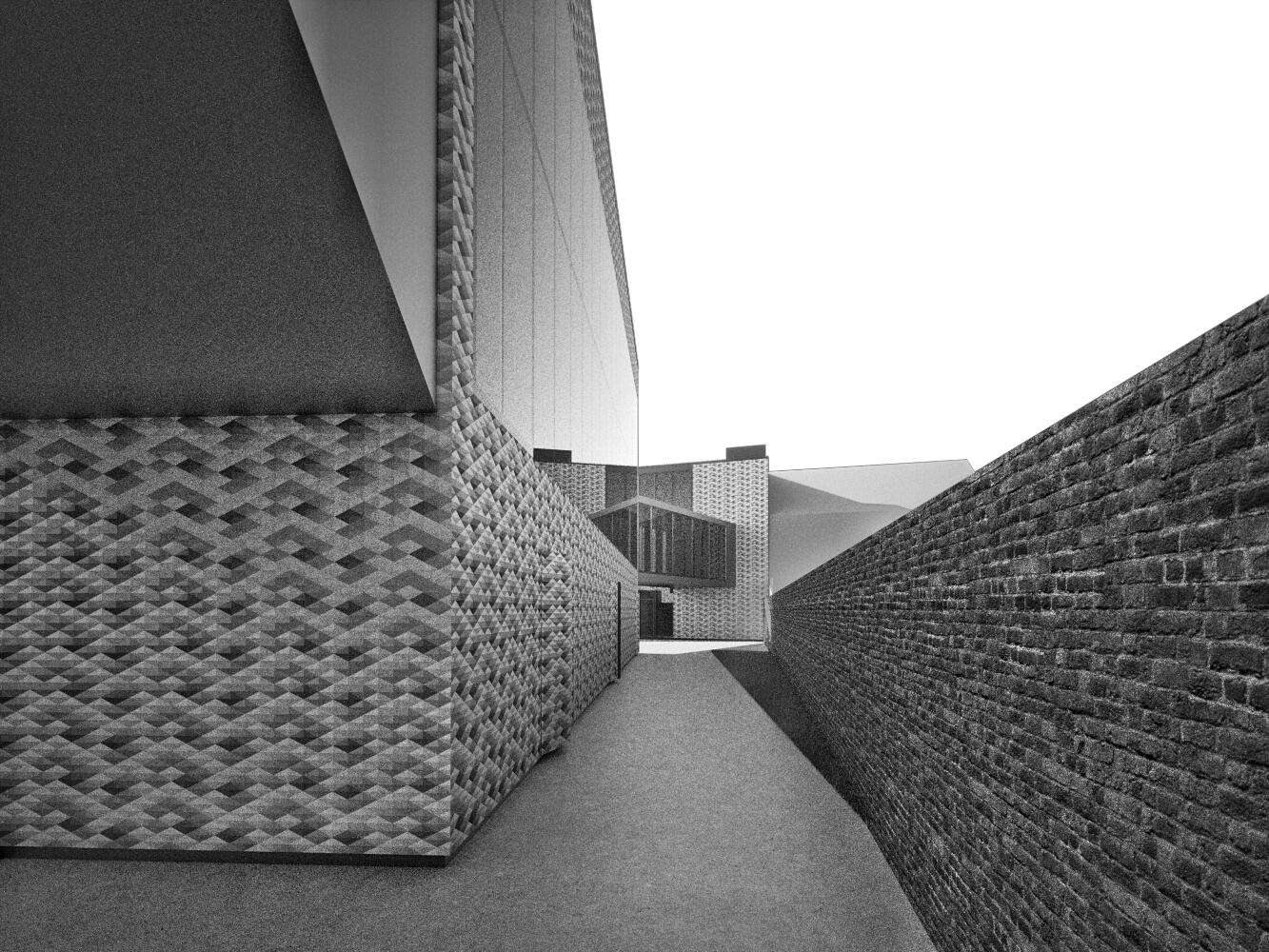
The facade pattern is derived from proportions of the local brickwork, that makes, together with the scale and facade arrangement, an indirect and visual alternative to the local.